The Mobot Platform
Automate the unautomatable, end to end
Four layers that take a mobile app from generated test script to validated release — executed by robots on real iOS and Android devices, not emulators, and verified by QA analysts before anything reaches your team.
The Mobot Platform
Automate the unautomatable, end to end
Four layers that take a mobile app from generated test script to validated release — executed by robots on real iOS & Android devices, not emulators.
AI explores your app builds and auto-generates test scripts across critical test cases, then validates and optimizes each script for coverage and stability before it reaches the fleet.
Manages test suites and the execution queue — assigning scripts to robots and devices, tracking every run and robot action, and reporting defects and analytics same-day.
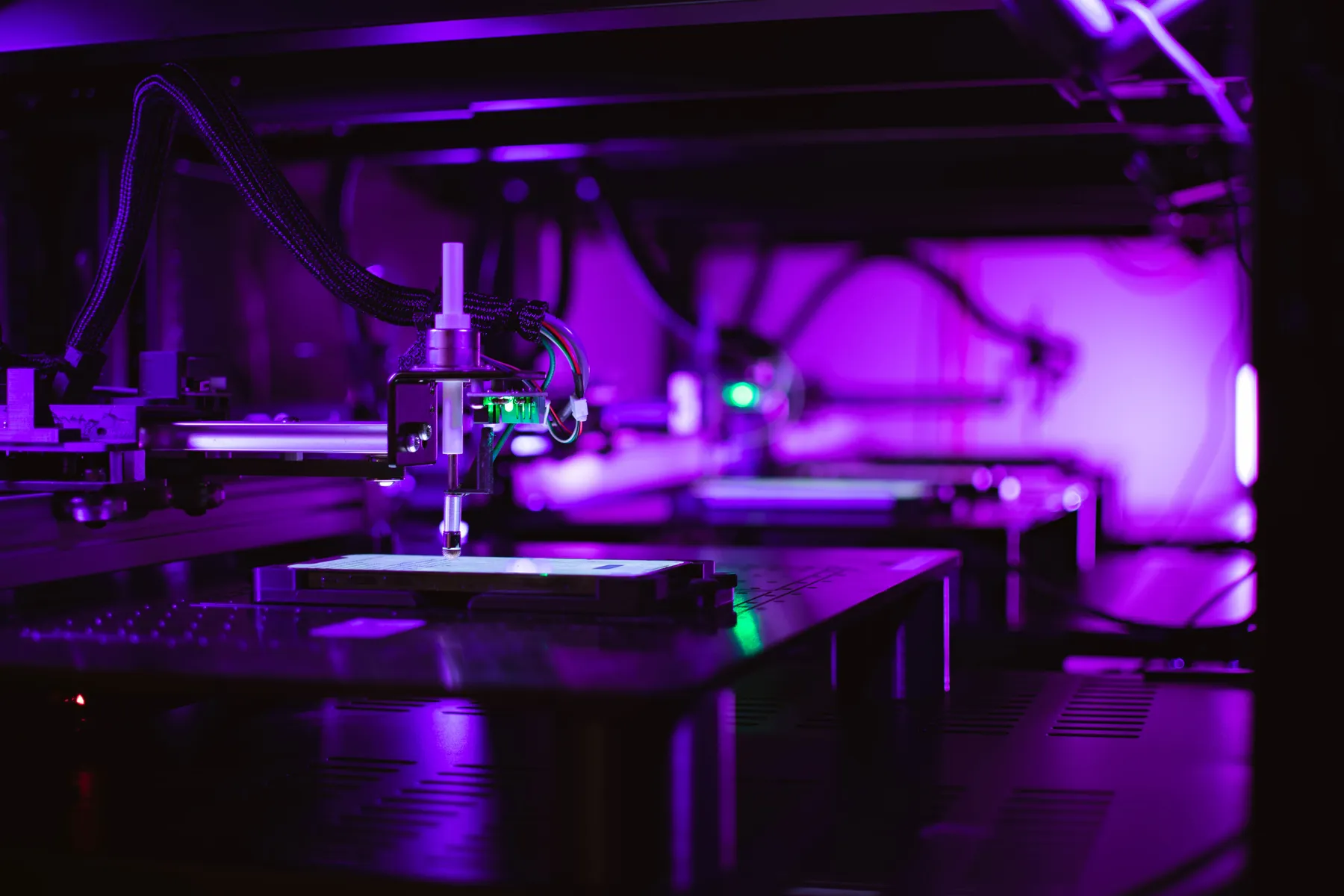
Executes test scripts on physical hardware with minimal manual intervention — computer vision recognizes on-screen UI and drives taps, swipes, and gestures.
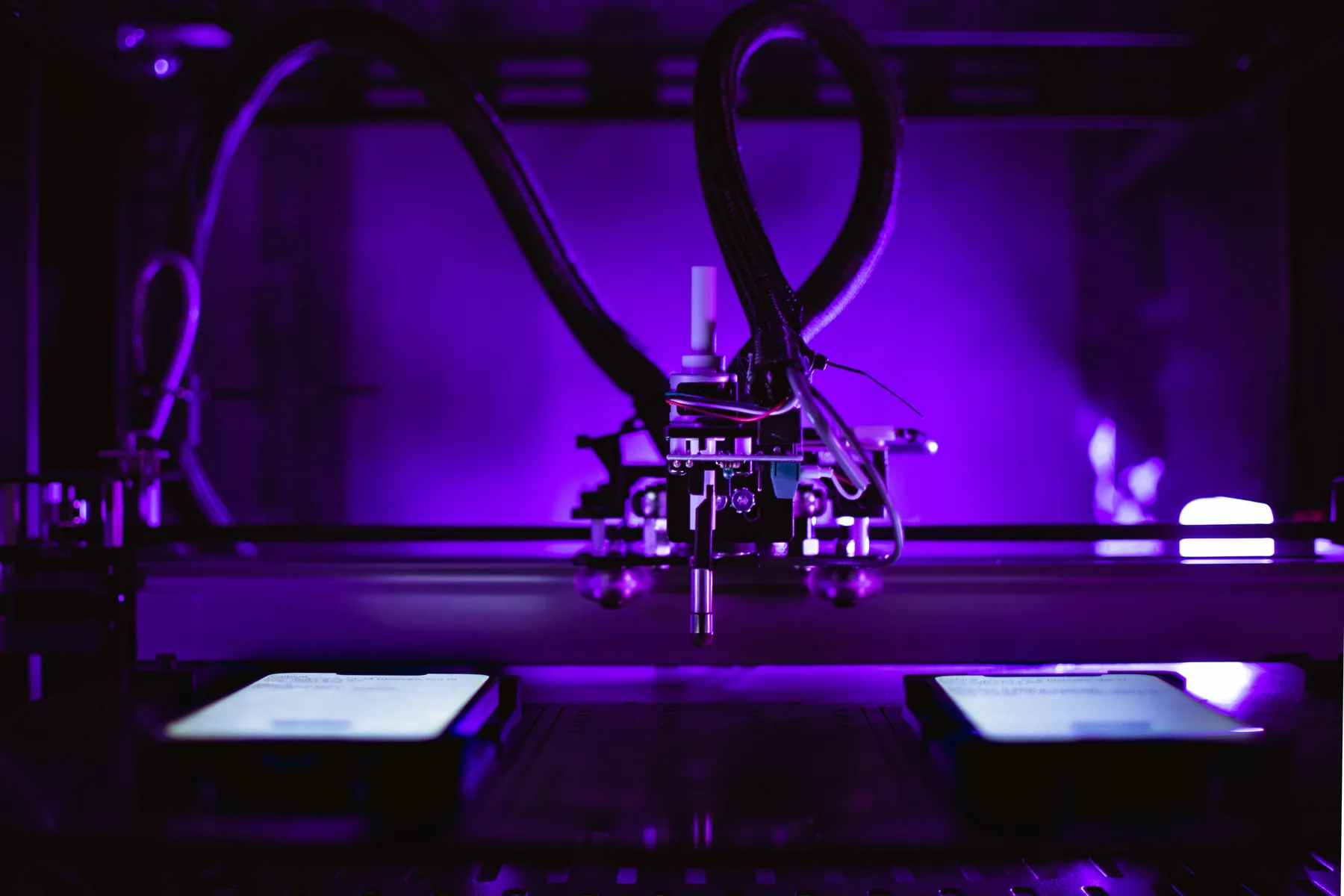
Mechanical robots physically drive real iOS and Android devices the way humans actually use them — up to 3 devices at once for parallel, cross-OS coverage.
Trusted by Leading Mobile Teams











Coverage that writes itself — and holds up
AI explores your app build and generates test scripts across the cases that matter: onboarding, login, payments, notifications, and the hardware-dependent flows that never make it into a scripted suite. Each script is validated and optimized for coverage and stability before it reaches the fleet.
- Auto-generated scripts from your build — no code, no YAML, no recorder
- Validation pass catches ambiguous steps before a robot ever runs them
- Coverage optimization prioritizes the suites that reach production broken
// checkout.spec.js
const btn = await driver.$(
  '//XCUIElementTypeButton[@name="Continue"]'
);
await btn.waitForDisplayed({ timeout: 8000 });
await btn.click();

✖ NoSuchElementError: element not found
  after design system update renamed
  "Continue" → "Next step"
The robot reads the screen like a person: a primary button, bottom of the checkout flow, with continue-style copy. Rename it, restyle it, move it — the test still finds it, taps it on real glass, and verifies what happens next.
Orchestration, defects, and analytics — same day
Suites are assigned to robots and devices, queued and scheduled around your release calendar, and tracked action by action. When a run finishes, defects and analytics are reported the same day into the Mobot platform and the tools your team already lives in.
- Suite management and queue scheduling across the fleet
- Side-by-side baseline vs. actual screenshots for every step
- Defect patterns across devices, OS versions, and builds
- Slack, Jira, and TestRail integrations
Promo deep link opens the home screen instead of the promotion
After tapping the “Holiday 20% off” push notification, the app launches but resolves the deep link to the home tab. Reproduced on 3 of 3 attempts. Not reproducible when the app is already in the foreground.
- 1Launch app from cold start
- 2Tap promo push notification
- 3Deep link resolves to promo screen
- 4Add promoted item to cart
promo_idparameter on cold start. Attached device log shows the handoff at 00:04.2.Computer vision executes the test on real hardware
The AI Driver looks at the screen the way a person does. It recognizes on-screen UI — buttons, fields, dialogs, system prompts — and drives the robot to tap, swipe, and gesture with minimal manual intervention. There are no selectors to break, so a redesign doesn’t turn into a repair sprint.
- CV-driven interaction: reads the rendered screen, not the view hierarchy
- Scripted execution with human intervention only where the OS demands a person
- Consistent, identical execution on every run, on every device
Real devices, real gestures, in parallel
Mechanical robots physically drive real iOS and Android devices the way humans actually use them. Each robot handles up to three devices at once for parallel, cross-OS coverage — and because the input is a real tap on real glass, the digitizer, radios, camera, and secure enclave are all in play.
- 300+ real iOS and Android phones and tablets, current and legacy OS versions
- Up to 3 devices per robot for multi-device and cross-platform scenarios
- Physical, not emulated: push, Bluetooth, biometrics, camera, carrier networks
Human in the loop
Robot tested. Human verified.
Automation finds candidates. QA analysts decide what is real. Every failure is reviewed before it reaches you, so a red result is never something your engineers have to chase down first.
Every failure triaged
A QA analyst reviews each failed step, reproduces it, and attaches notes before it is reported.
Noise stops at the analyst
A renamed button or a copy change is flagged once, decided with you, and never reported as a bug again.
Robots do the boring part
Robots run the regression identically every time — what reaches your backlog is a real, reproducible defect.
See the platform on your app
Point us at a build. AI-assisted authoring proposes coverage, the fleet runs it overnight, and you review verified results by morning.